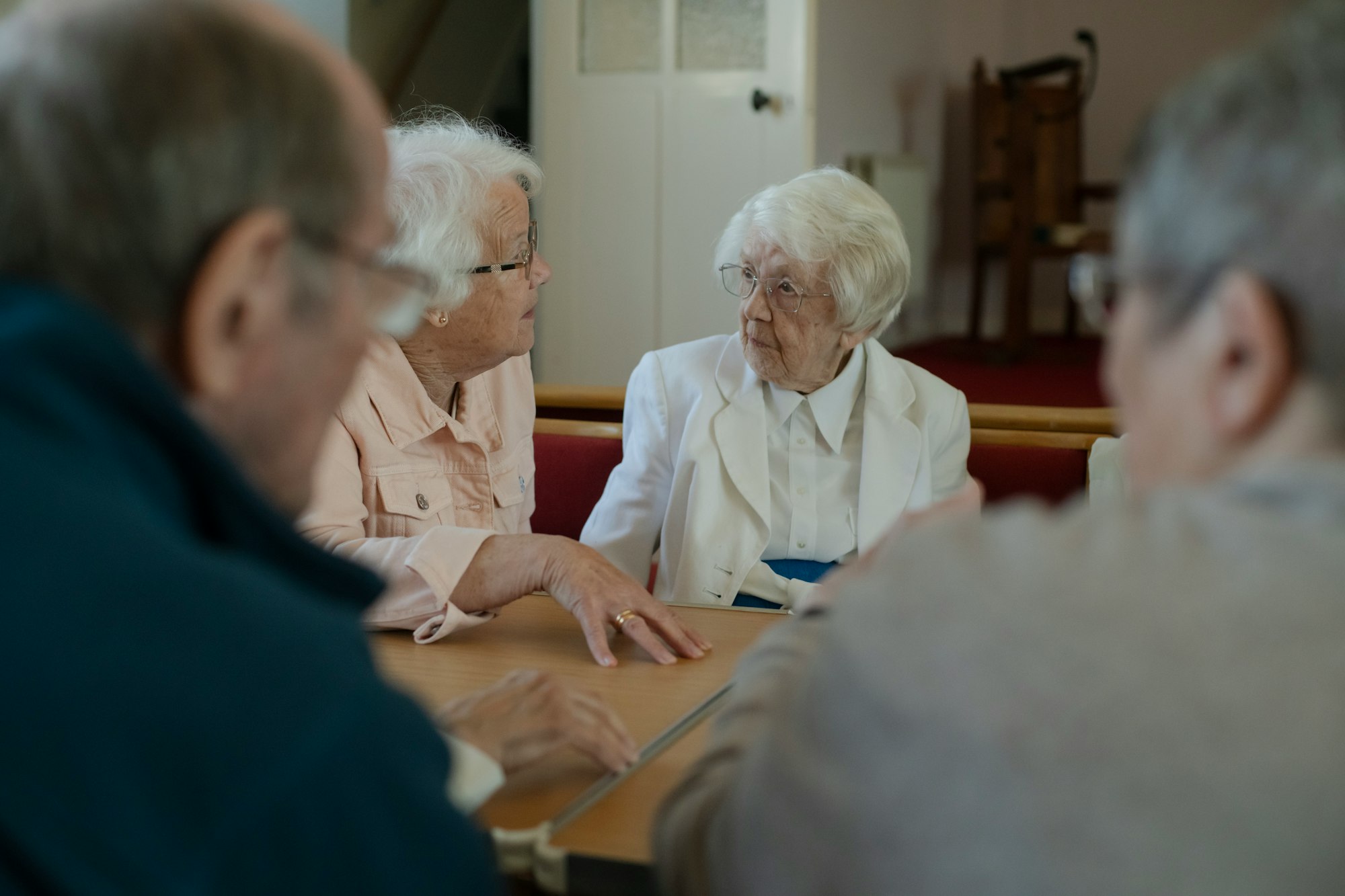
The hardest part of this conversation is almost never the content. It is the opener. Nobody wants to be the one who brings up death over breakfast, so most families wait for a hospital room to make the introduction.
There is a softer way. It does not require you to deliver a speech, raise the stakes, or wait for the family to be ready. It requires you to ask one good question and then listen.
Why this conversation gets postponed
Most families share the same three obstacles. The first is fear of being morbid. Nobody wants the room to go quiet. The second is the worry that bringing it up will upset someone, especially an aging parent or a partner who finds the topic painful. The third is timing. There is never a right Tuesday for a heavy talk.
Those obstacles are real. They are also overstated. In practice, the conversation lands easier than people expect, especially when it is framed as care for the family rather than preparation for the worst.
Reframe before you start
Most planning conversations go better when they start small. Not "we need to talk about what happens when you die," but "I'm working on something for my own peace of mind, and I want to make sure you know about it." That sentence sounds nothing like a doomsday warning. It sounds like what it is, which is one adult trying to make life easier for the adults around them.
If you are the one initiating, lead with your own plan. People are far more willing to talk about their own information after someone they trust has just modeled the practice.
Three openers that work
Use any of these and adjust them to your family:
• "I've been making a list of where everything is, in case anything ever happens to me. Can I tell you where it lives?"
• "I read something about families being locked out of accounts. I want to make sure that does not happen to us."
• "If I were unreachable for a week, what would you need from me right now? I want to make that easier."
Notice the pattern. None of them open with death. All of them open with logistics and care. The deeper conversation, if it happens, tends to come later in the same talk, after the easier parts have lowered the temperature.
What to do if someone resists
Some family members will not be ready, especially older parents whose generation handled this work differently. Do not push. Leave the door open and try again later. Share what you are doing for yourself. Sometimes the only thing that moves the needle is watching someone they love handle their own version of the plan first.
If they are willing to do one small thing, ask for one small thing. The names and numbers of their doctors. The location of their will. The email address they use for their primary accounts. A short list beats no list, and a started conversation beats a perfect one.
Why this is actually a gift
Reframed honestly, this conversation is one of the kindest things you can give the people you love. Not because it prevents anything painful, but because it spares them the second layer of pain that comes from confusion, scrambling, and guesswork during a hard week. Clarity is care. That is the whole thesis.
Call to action:
Start the conversation with what you have. A short written plan in the One Final Message platform can give the chat a clear, gentle anchor.